When you think about personal care services at home, you might picture someone simply helping with basic tasks. But the reality is far richer: every day, our Personal Care Assistants (PCAs) at Angelcares step into homes across Northern Virginia and become trusted companions, problem-solvers, and advocates for the people they serve.
Here's what a typical day looks like for one of our PCAs, and how these everyday moments create meaningful connections that transform lives.
Starting the Day with Dignity and Respect
The morning begins around 7:30 AM when Maria, one of our experienced PCAs, arrives at Mr. Thompson's home in Warrenton. She doesn't just knock and walk in: she rings the bell, announces herself cheerfully, and waits for his invitation to enter. This simple gesture sets the tone for the entire day: respect, autonomy, and partnership.
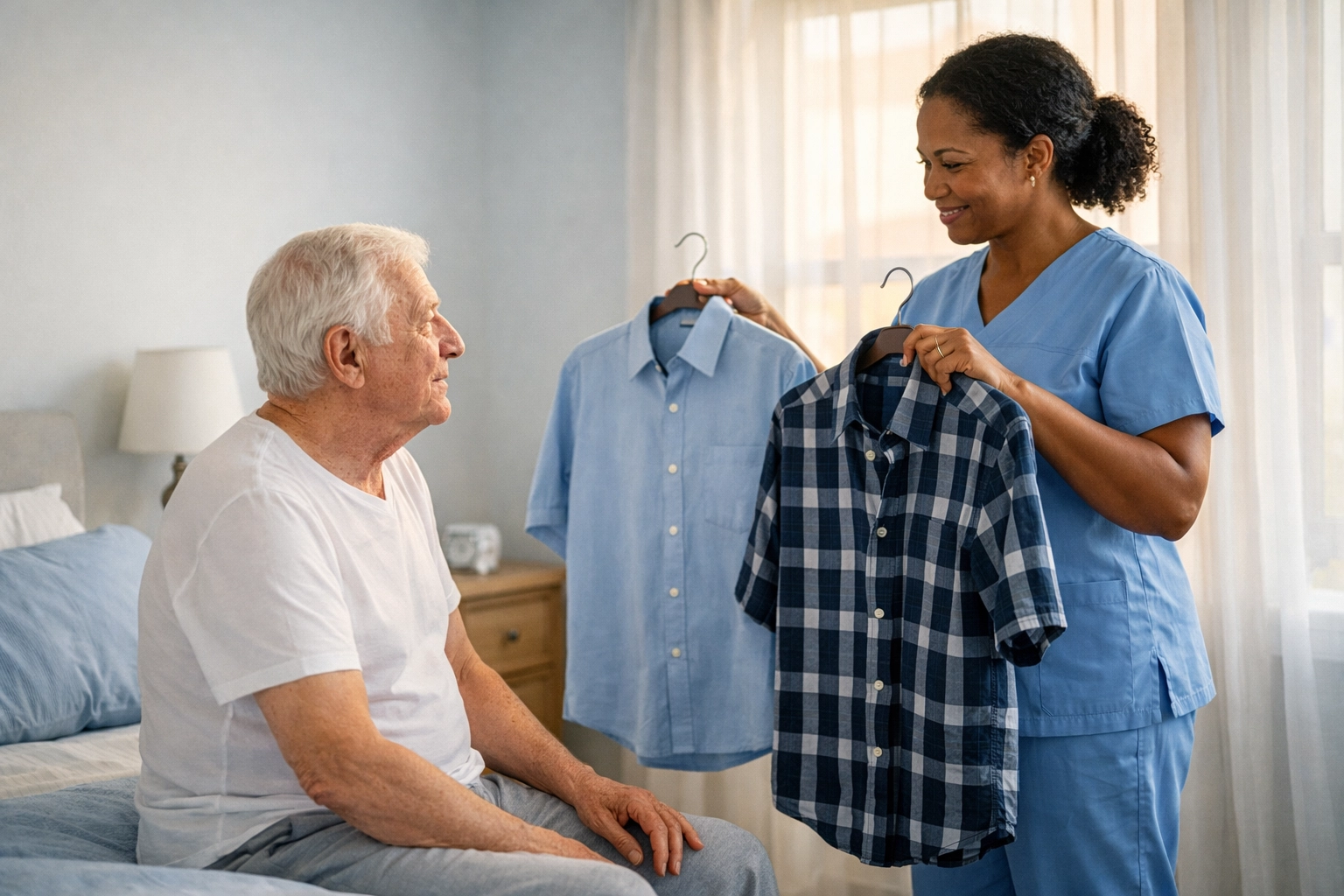
Mr. Thompson needs assistance with his morning routine, which includes bathing, grooming, and getting dressed. Maria approaches these intimate tasks with both professionalism and warmth, understanding that maintaining dignity during personal care is essential to her client's sense of self-worth. She offers choices whenever possible: "Would you like to wear the blue shirt or the gray one today?": because independence isn't just about what you can do yourself, but about making decisions that shape your day.
These morning moments also provide valuable health insights. Maria notices a small skin irritation that wasn't there yesterday and makes a note to mention it to Mr. Thompson's daughter. She observes his mobility and energy levels, mental clarity, and overall mood: details that help the family and healthcare providers stay informed about his well-being.
Nourishment and Medication: The Mid-Morning Rhythm
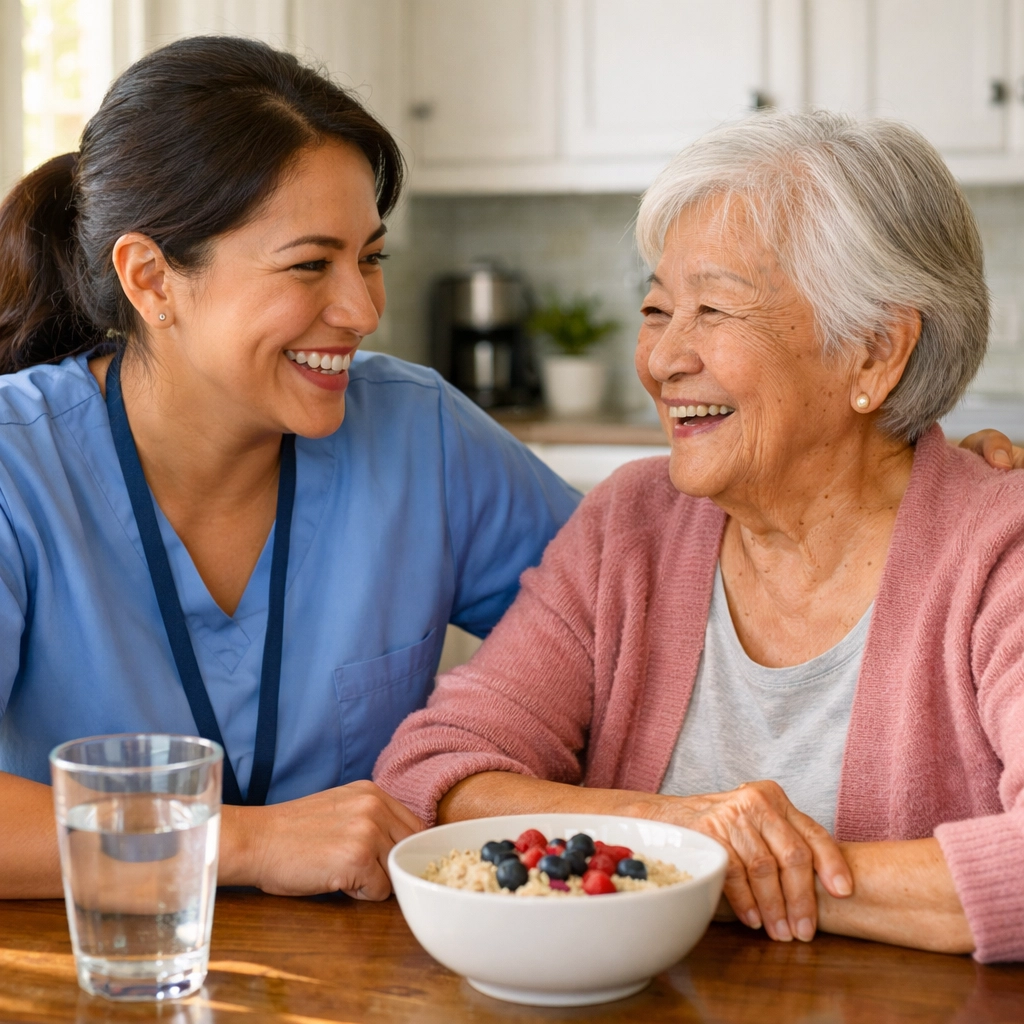
By 9:00 AM, breakfast is ready. Maria has learned that Mr. Thompson loves oatmeal with cinnamon and fresh berries, but dislikes anything too sweet. She's adapted her meal preparation to match his preferences and dietary restrictions: in his case, managing sodium intake for heart health.
While he eats, Maria sits with him, and they talk about everything from the weather to memories of his time in the Navy. This companionship during meals transforms eating from a functional task into a social experience. For many seniors living alone, these conversations are the highlight of their day.
After breakfast comes medication management. Maria doesn't administer medications: that requires licensed nursing care: but she provides crucial reminders and observes to ensure Mr. Thompson takes his prescriptions correctly. She's organized his medications using a weekly pill organizer and keeps a detailed log of what was taken and when, which gives his family peace of mind and helps prevent dangerous medication errors.
Light Housekeeping: Creating a Safe, Comfortable Environment
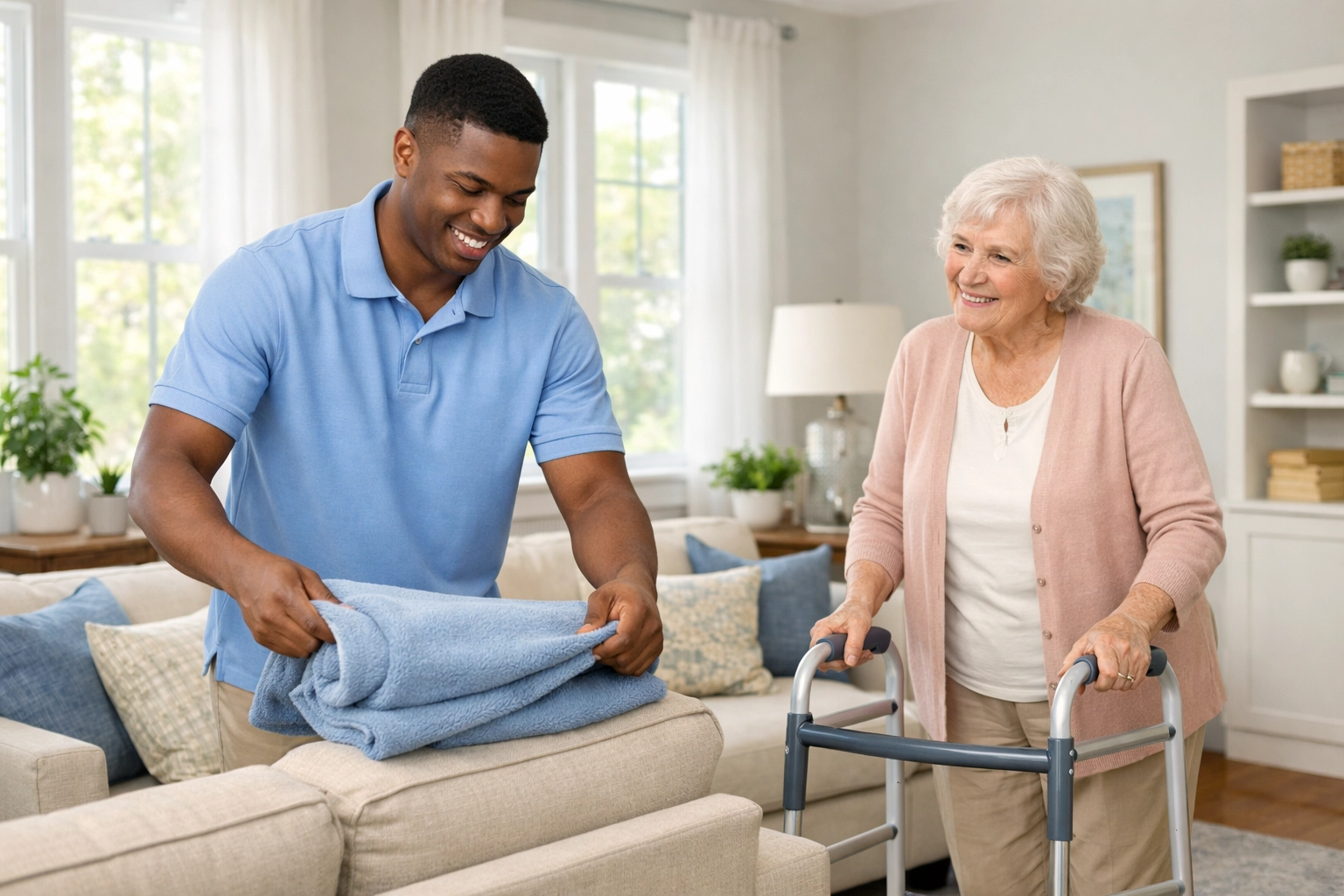
The next hour involves light housekeeping tasks that go beyond simple tidiness. Maria does laundry, washes dishes, and vacuums the main living areas. But she's also constantly assessing the home environment for safety concerns: a loose rug that could cause a fall, clutter in walkways, or burnt-out light bulbs that create dark, dangerous areas.
She changes Mr. Thompson's bed linens, not just for cleanliness but because fresh sheets contribute to better sleep quality and overall comfort. These seemingly small tasks have an outsized impact on quality of life. When your loved one's home is clean, organized, and safe, they can focus on enjoying their day rather than worrying about basic needs.
Errands and Outings: Connection to the Community
Around 11:00 AM, Maria helps Mr. Thompson with a few errands. Today includes a trip to the grocery store and the pharmacy. She assists him with mobility: using his walker and ensuring safe transfers in and out of the car: but she also encourages him to do as much as he can independently.
At the store, Mr. Thompson enjoys picking out his own produce and chatting with familiar cashiers. These community connections matter deeply. Home care in Northern Virginia isn't about keeping seniors isolated at home: it's about supporting them to remain engaged with the world around them while providing the assistance they need to do so safely.
Maria carries the heavier bags, navigates crowded aisles, and keeps an eye on fatigue levels. She knows when to suggest a break and when to wrap up the outing. This balance between encouraging activity and preventing overexertion requires experience, observation, and genuine care for the person's well-being.
The Lunch Hour: More Than Just a Meal
Back home, Maria prepares lunch: today it's grilled chicken with steamed vegetables and brown rice. While she cooks, Mr. Thompson reads the newspaper at the kitchen table. They're in the same room, but he has his independence. This is the beauty of quality personal care services at home: assistance is available when needed, but it doesn't smother autonomy.
During lunch, they discuss Mr. Thompson's upcoming doctor's appointment. Maria has already added it to the shared calendar she maintains with his daughter and has arranged to accompany him to the appointment. She'll take notes, ask questions he might forget, and ensure clear communication between Mr. Thompson and his healthcare provider.
This coordination role is one of the most valuable but often overlooked aspects of personal care assistance. PCAs serve as a bridge between seniors, families, and medical professionals, ensuring nothing falls through the cracks.
Afternoon Activities: Engagement and Companionship
The afternoon schedule varies by day and by client preference. Sometimes Maria and Mr. Thompson work on puzzles together or play cards. Other days, they sit on the porch and talk, or Maria reads aloud from books he enjoys. Today, Mr. Thompson's granddaughter is visiting, so Maria steps back to allow private family time while remaining available if needed.
This flexibility is crucial. Personal care assistants must read situations and adapt constantly. They need to know when to engage actively and when to provide quiet presence. They understand that their role includes facilitating family connections, not replacing them.

When clients have hobbies or interests they can no longer pursue independently, PCAs help adapt those activities. If someone loved gardening but can no longer kneel or bend easily, the PCA might set up container gardens at accessible heights. If a client enjoyed cooking, they might involve them in meal prep in ways that are safe and manageable.
Late Afternoon: Preparing for Evening and Handoff
As Maria's shift nears its end around 3:30 PM, she helps Mr. Thompson with any final tasks: perhaps folding the laundry they started earlier or preparing simple ingredients for his daughter to cook dinner later. She updates the daily log with observations, tasks completed, and any concerns to communicate to the family.
Before leaving, Maria reviews the evening medication schedule with Mr. Thompson and confirms tomorrow's plans. She ensures he's comfortable, has everything he needs within reach, and that his medical alert device is functioning properly. This attention to detail in transitions helps prevent problems during the hours when a caregiver isn't present.
The Human Connection That Changes Everything
What you've just read describes the tasks: but it doesn't fully capture the relationship. Over weeks and months, PCAs like Maria become trusted confidants. They know their clients' stories, preferences, fears, and joys. They celebrate good days and provide comfort during difficult ones.
This bond transforms home care from a service into a genuine partnership. Seniors are more likely to accept help from someone they trust. They open up about health concerns they might hide from family. They try new activities because their caregiver encourages them. The human connection doesn't just make the days more pleasant: it directly impacts health outcomes and quality of life.
Why Professional Personal Care Services Matter
While family members can certainly provide many of these same tasks, professional PCAs bring training, experience, and objectivity that complement family care. They're trained in proper transfer techniques to prevent injuries. They know how to recognize early warning signs of health changes. They provide consistent, reliable support that allows family members to be children, grandchildren, or spouses rather than full-time caregivers.
At Angelcares, our PCAs receive ongoing training in everything from dementia care techniques to cultural sensitivity. We carefully match caregivers with clients based on personality, interests, and specific care needs. This intentional approach to personal care services at home creates relationships that truly work.
Finding the Right Support in Northern Virginia
If your loved one could benefit from the kind of compassionate, comprehensive support Maria provides, professional home care in Northern Virginia offers a solution that honors independence while ensuring safety and well-being. The daily tasks matter, certainly: but it's the human connection woven through those tasks that truly makes the difference.
Every senior deserves to age with dignity, comfort, and companionship. Sometimes, that means inviting a skilled professional into your home to walk alongside your family on this journey. The right personal care assistant doesn't just help with tasks; they enrich lives, one day at a time.